
The Thinking Body
Gestures that externalize thought and reveal how people reason about technology.
Workshop · First run at NordiCHI 2026
A hands-on method for gesture analysis in HCI
Tutorial held Sunday, 4 October 2026 · Åbo Akademi University, Vaasa, Finland
Interviews are central to qualitative HCI research, but language is an imprecise way to capture what people do. When words fail, gestures fill the gaps and reveal mental models.
AI tools that synthesize interview text can miss what only the body reveals. This workshop gives you a way to draw insight from gestures.
The framework
A structured lens for seeing what a gesture does in the moment, who it serves, and what it reveals about a person's experience. It turns embodied observation into design evidence.
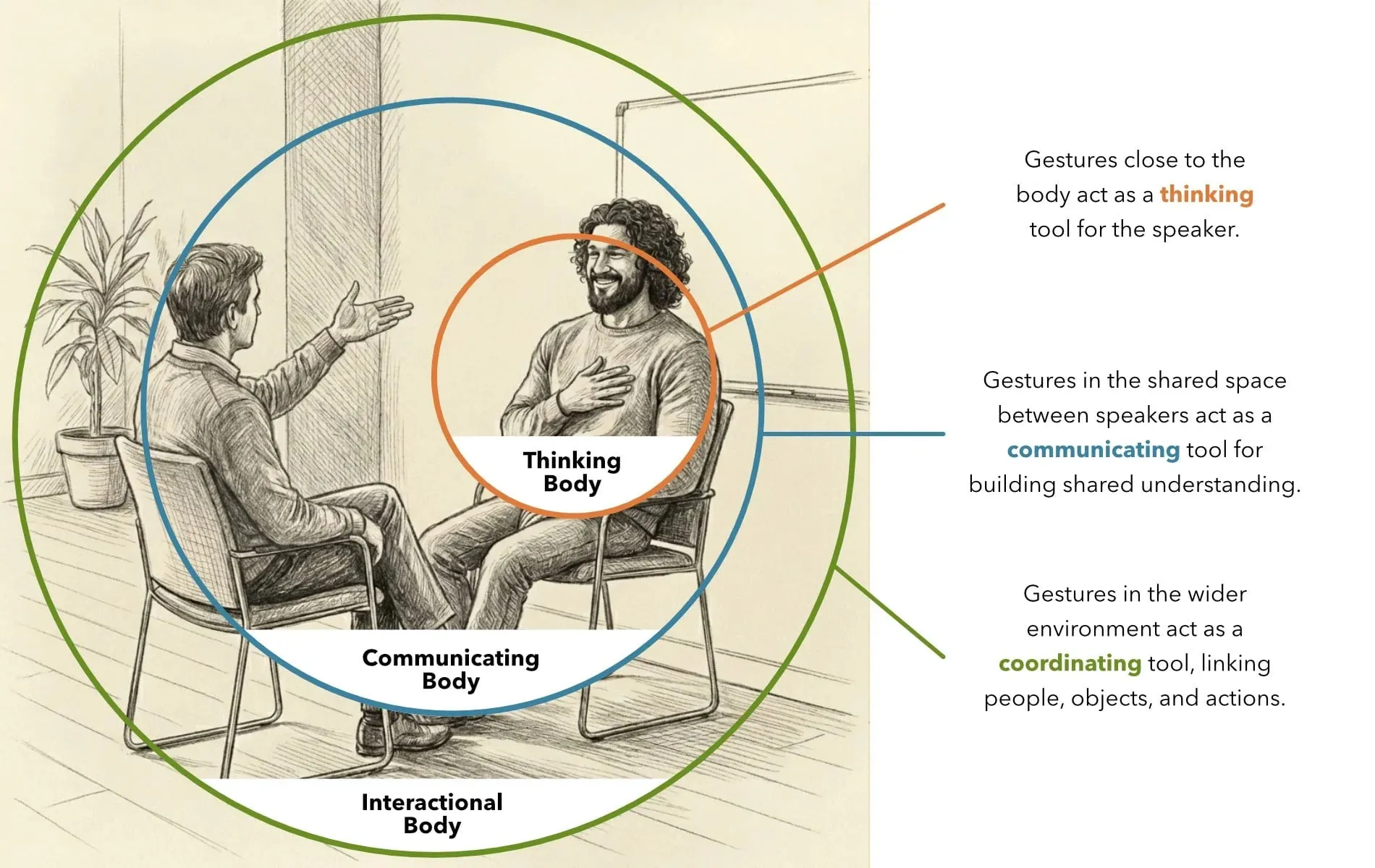
Gestures that externalize thought and reveal how people reason about technology.

Gestures that extend or refine meaning alongside speech.
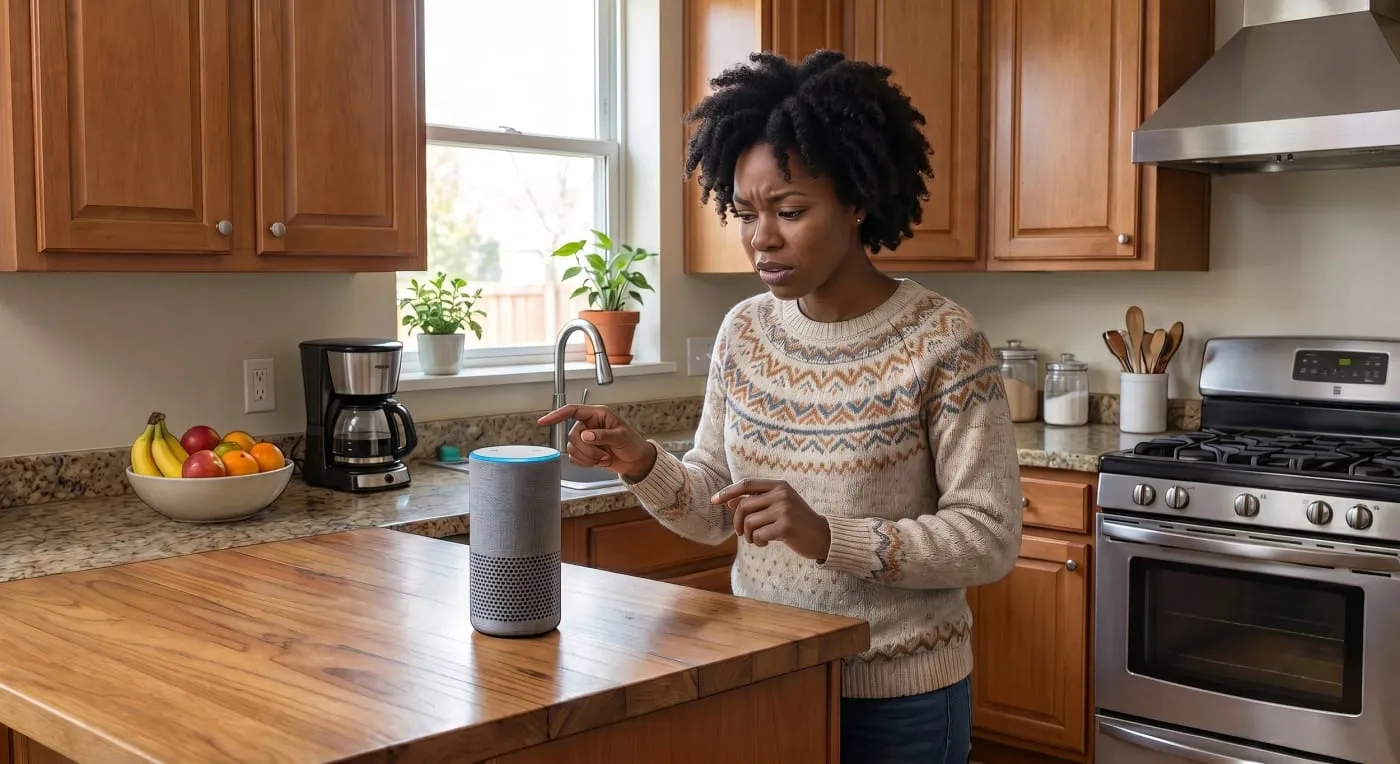
Gestures that coordinate attention, action, and engagement with people, objects, and the environment.
The workshop
Two 90-minute interactive sessions that move from raw video to design ideas. No prior knowledge needed.
1 · Enact
A paper-folding activity that shows the work gestures do across the three bodies.
2 · Analyze
Work with real gesture data to find the gaps words alone leave.
3 · Synthesize
Cluster observations, negotiate across groups, and put principles into words.
4 · Apply
Apply your principles to a real HCI challenge.
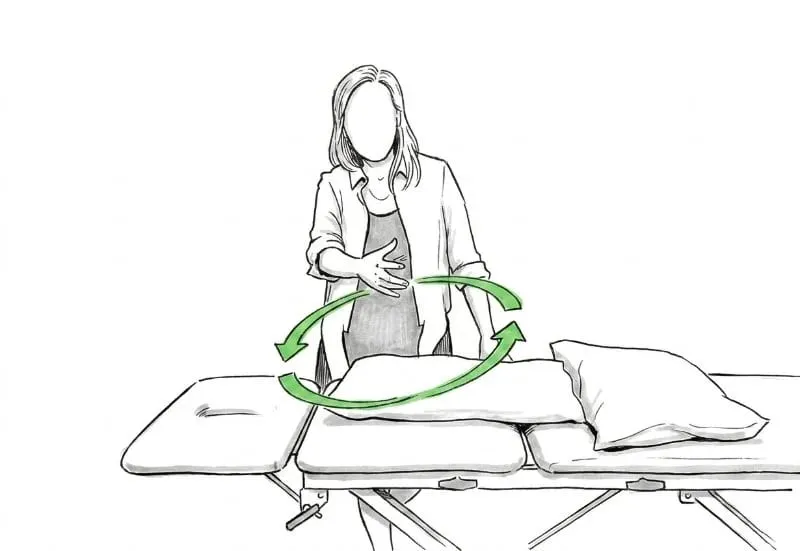
The anchor case
You'll work with a case study of a physician and a patient in a complex clinical setting, analyzing the physician's gestures and actions and turning them into design recommendations for clinical environments.
Senior Product Researcher, Microsoft
Studies how co-speech gestures reveal mental models, with work across healthcare, enterprise software, and AI.

Learning Scientist, Butler University
Researches the body as a resource for thinking and interaction, and designs interactive learning experiences.
We first ran this tutorial at NordiCHI 2026. Invite us to bring it to your team or conference.
Bring the workshop to your team